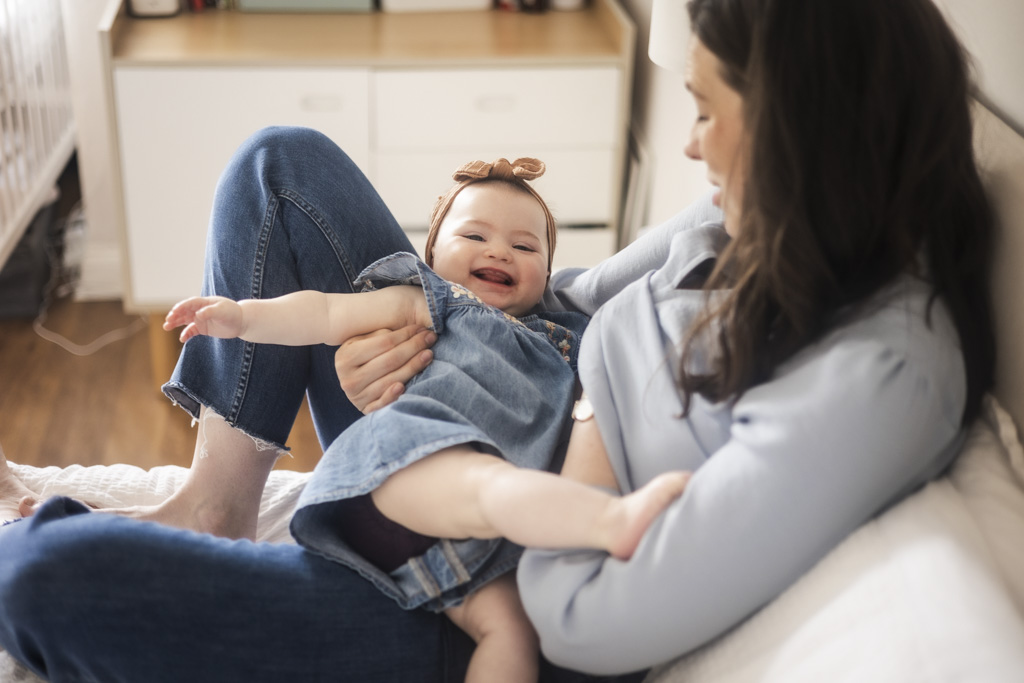
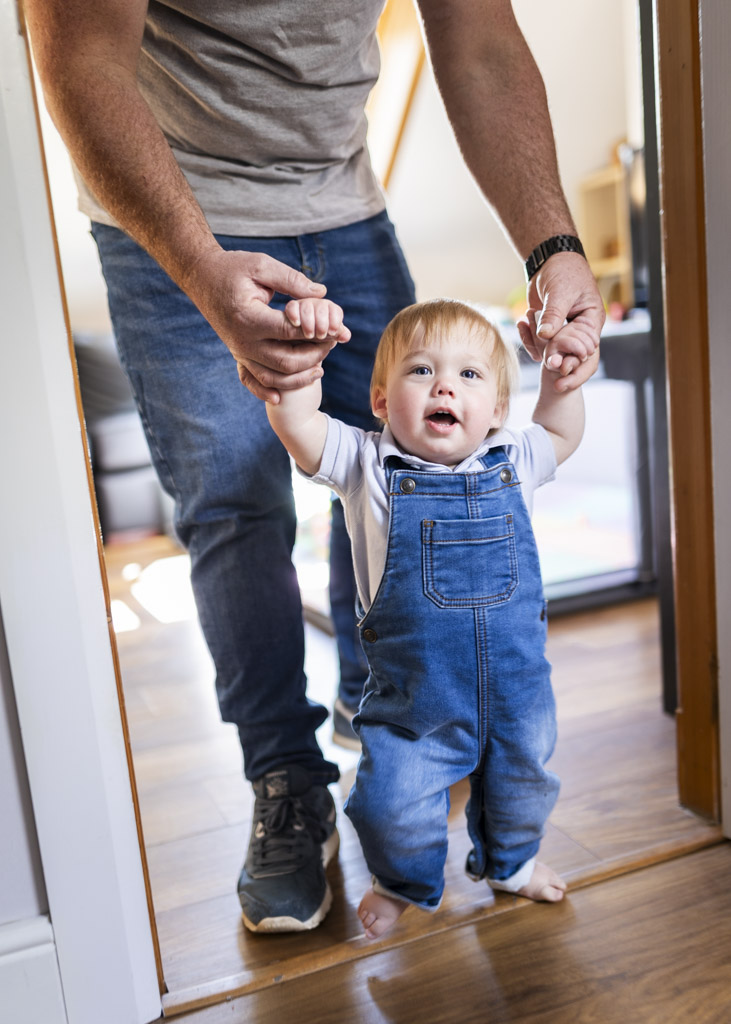
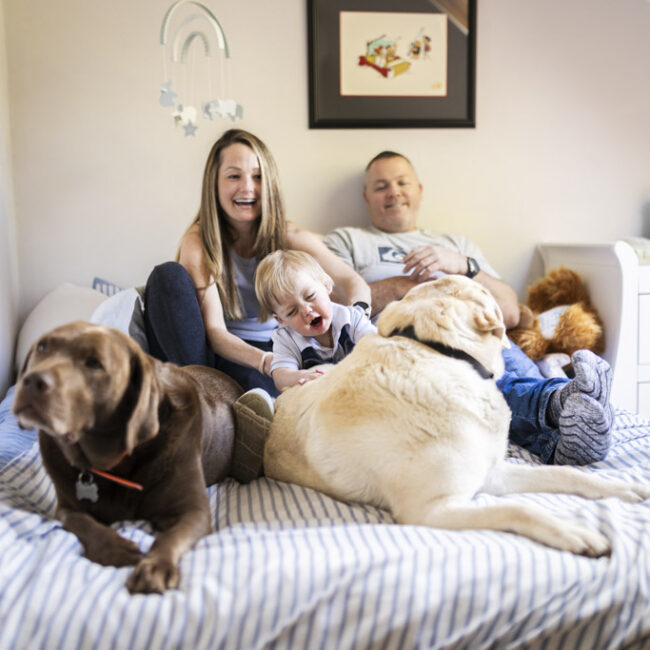
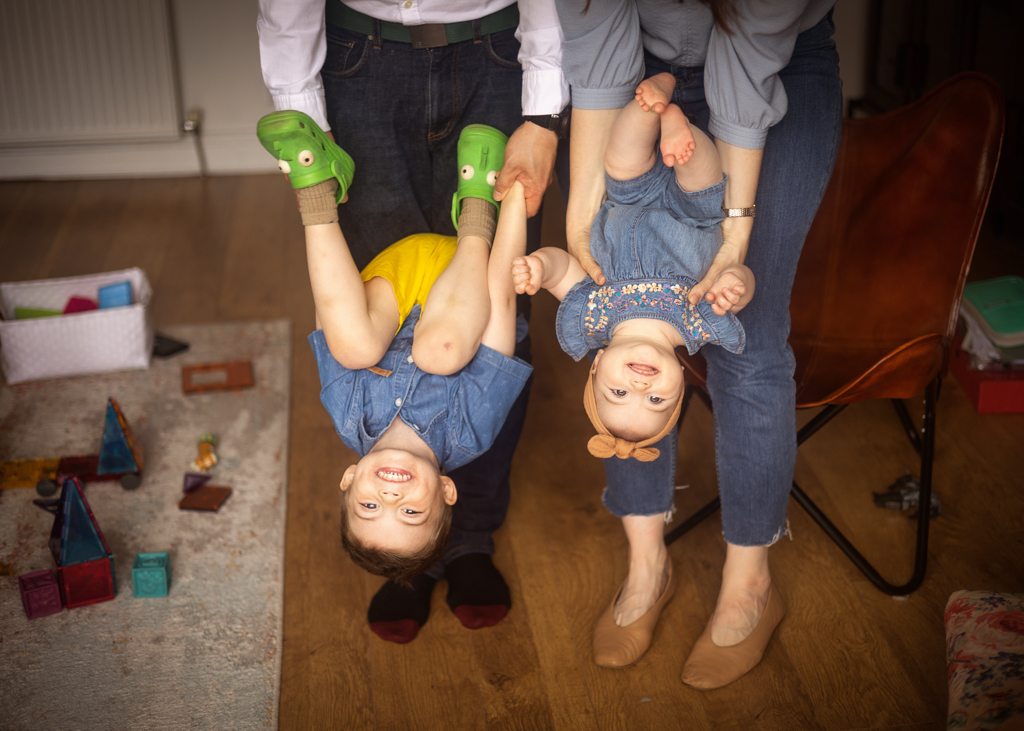
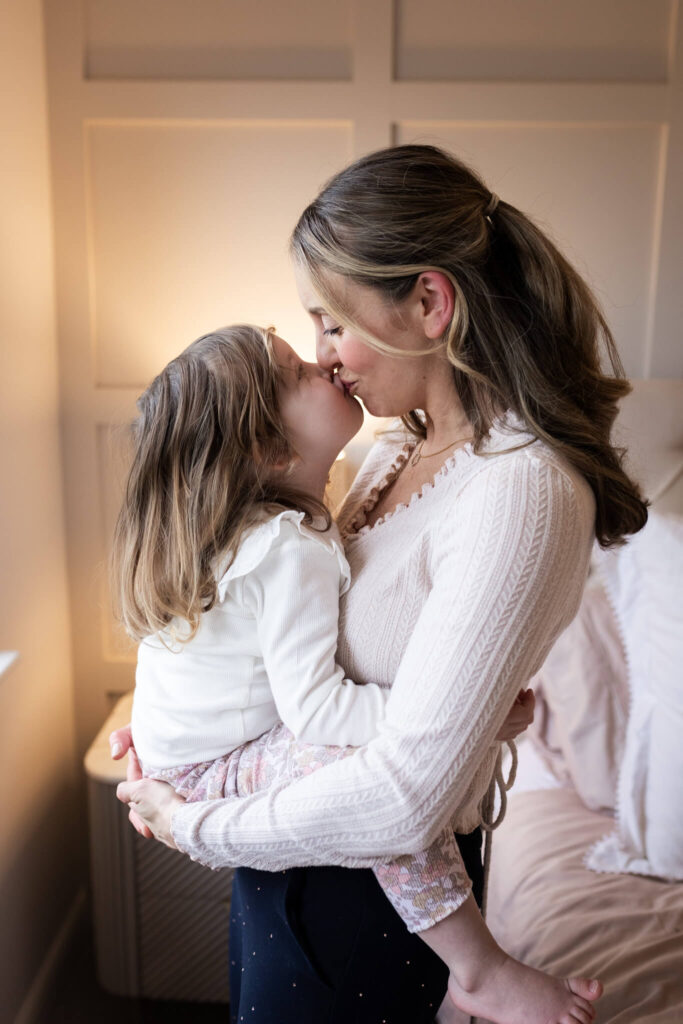
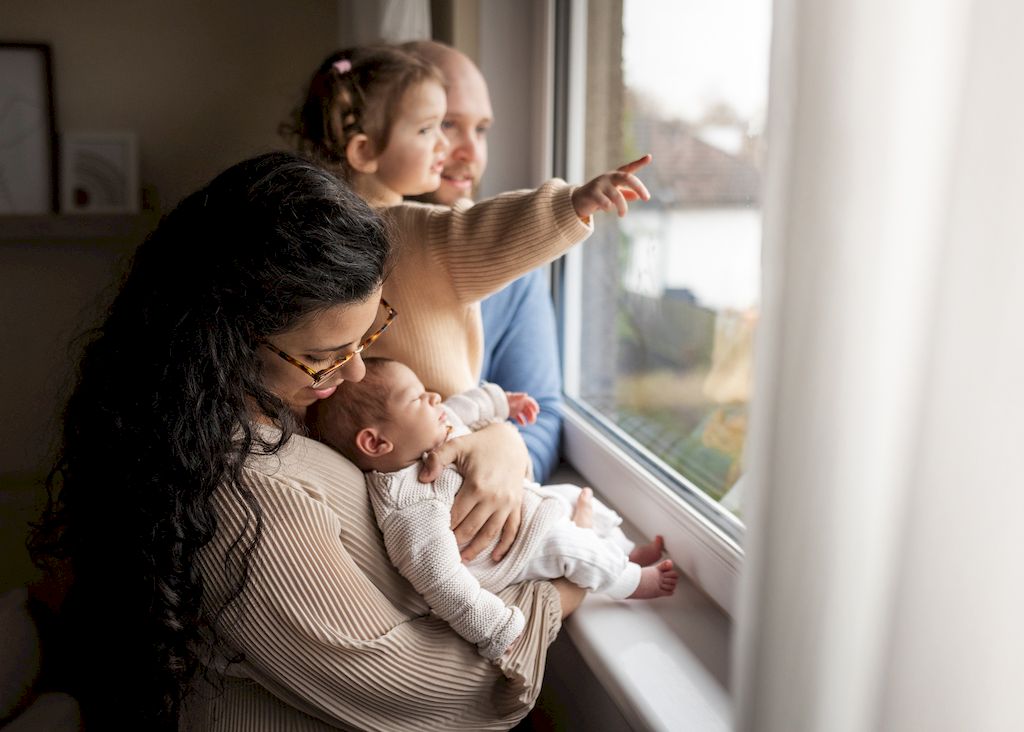
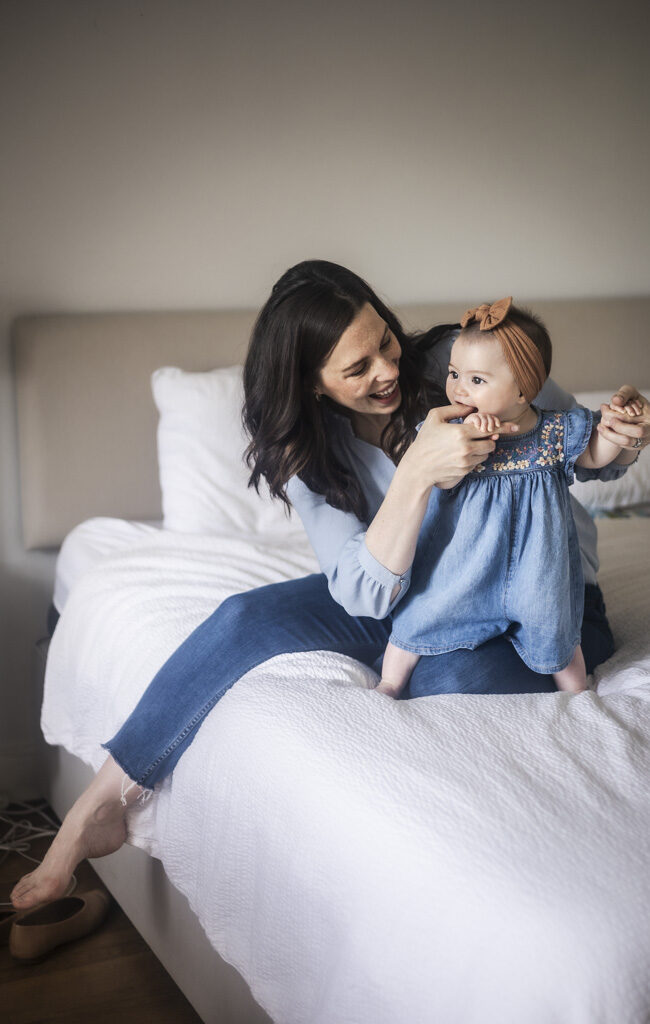
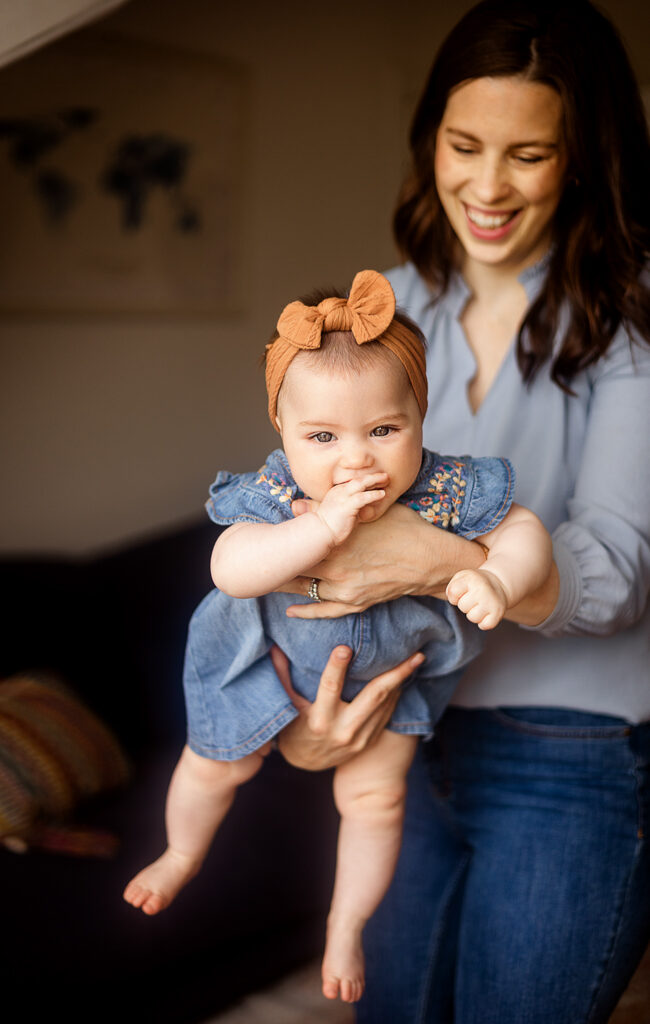
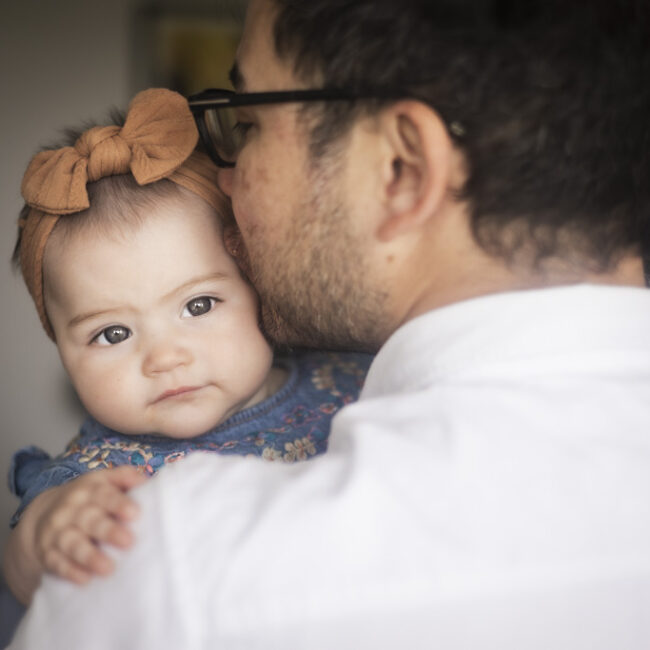
A bedroom with good window light can be enough for cuddles on the bed, playing with the children, quieter portraits, close-ups and wider family photographs. I can show more of the room when it adds something to the story, but I don’t have to.
The focus is always your family.
1. You don’t need to clean the whole house
We are not going to photograph every room.
When I arrive, I normally look around and see where the light works best and where your family will feel comfortable.
Sometimes we might use the living room, bedroom and a child’s room.
Sometimes one room is all we need.
So please don’t spend the day before your session cleaning the entire house.
Concentrate on the areas we are most likely to use and move anything that would obviously distract from the photographs.
A clothes airer, piles of washing, plastic bags, phone chargers or a bright bin can easily be moved for an hour.
But your children’s books, toys, family photographs and the things that actually belong in your home do not need to disappear.
2. Natural light is important, but it isn’t the only light I use
I work mainly with natural light, so opening curtains and blinds before the session is always helpful.
But that doesn’t mean every lamp has to be switched off. Warm, directional light from a bedside lamp or a small lamp in the corner of a room can sometimes add atmosphere and make the photographs feel warmer and more intimate.
I look at each home differently. If the natural light is beautiful, I might use only that. If a lamp adds something to the scene, I may keep it on.
There isn’t one rule that works in every house.
3. One good room can be enough
This is something I really want families to know.
You do not need a large home or several beautifully styled rooms to have a family photoshoot at home.
If your bedroom has the best light, we can stay there.
You can cuddle on the bed, lie down with the children, read together, talk, tickle them or simply let them climb all over you.
Within one small space I can create very different photographs.
Some can be wider and show more of your home.
Others can be much closer: hands, faces, children leaning into you, little details and the way you naturally interact.
The variety comes from your connection, movement and perspective, not from constantly changing rooms.
4. Give the bed or sofa a quick tidy
Beds and sofas work particularly well because families naturally sit, cuddle and play there.
You don’t need to style them. Make the bed, straighten the duvet and remove things like phones, cables or clothes you don’t want visible.
The same applies to the sofa. Move obvious distractions, but don’t strip the room of everything that makes it yours.
5. Don’t remove the details that belong to your family
There is a difference between clutter and personality.
I don’t want your home to suddenly look like nobody lives there.
The children’s books beside the bed, their favourite teddy, drawings on the wall, a blanket you always use or toys they genuinely play with can all belong in the photographs. Years later, those small details can become surprisingly meaningful.
The room will change. The toys will disappear. The child who used to fit between you on the bed will suddenly be much taller.
Those details are part of why photographing families at home can feel so personal.
Your home does not need to be large, newly decorated or finished. I have photographed families in all kinds of spaces.
What I am looking for first is light and connection.
If I need to, I can photograph much closer so very little of the room is visible. I can also use wider frames when the room itself adds something to the story. There is no requirement to show the whole house.
7. Think about what your family actually does together
A family photoshoot at home doesn’t have to mean everyone sitting neatly on the sofa.
Some of my favourite photographs happen when families are simply doing something familiar.
That could be:
reading a favourite book
lying together on the bed
baking
making pancakes
playing with toys
dancing in the kitchen
cuddling on the sofa
playing with the dog
talking and laughing in a child’s room
You don’t need to invent an activity just because a photographer is coming.
If there is something your children naturally love doing at home, that is often a much better starting point.
8. Don’t worry about keeping everything tidy once I arrive
Especially with younger children. They will pull things back out.
Someone will suddenly need the toy you just moved. The cushions will end up on the floor. That is completely normal.
Once we have removed the things that are genuinely distracting, you can stop thinking about the house. I would much rather have you focused on your children than worrying about whether the room still looks tidy.
What if my home is dark?
Don’t decide in advance that your home is too dark.
Sometimes one window in one room is enough.
We can also use the mood of the space rather than trying to make everything look artificially bright.
A darker bedroom with window light and a warm lamp can create a completely different feeling from a bright outdoor session, and that can be beautiful too.
If the light is genuinely very limited, we can talk about the best time of day for your home or whether an outdoor family photoshoot might suit you better.
What if my house is messy?
You have children. I expect your home to look lived in. I’m not coming to inspect it.
Move the obvious distractions, do a quick tidy in the room or rooms we might use and leave the rest. That is enough.
Which rooms work best for family photographs at home?
Usually the rooms where the light and your normal family life come together naturally.
Bedrooms and living rooms often work very well, but every home is different.
And again, we do not need several rooms. If one bedroom works beautifully, we can create the whole session there.
Should I prepare anything for the children?
Not really. Have their clothes ready and perhaps keep a favourite book or toy nearby.
You don’t need to keep reminding them that they have to behave or smile. The more normally everyone carries on, the easier it is for me to photograph genuine interactions.
Hi Mama! Always behind the camera?it’s your time to get in front of the lens so you can be a visible part of memories you’re making with your loved ones.